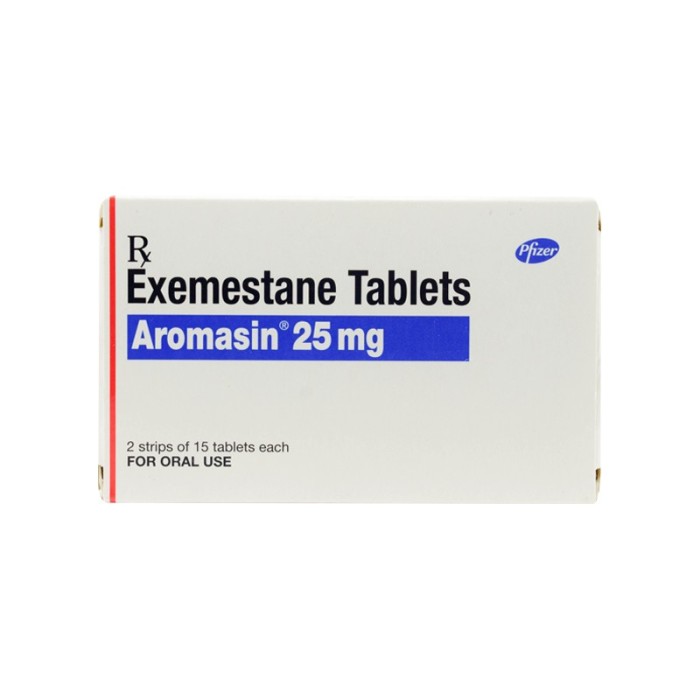
Aromasin Pfizer: Understanding Its Role and Mechanism
Aromasin Pfizer, known generically as exemestane, is a medication primarily used in the treatment of hormone-receptor-positive breast cancer in postmenopausal women. The fundamental principle of Aromasin Pfizer is its ability to inhibit aromatase, an enzyme that converts androgens into estrogens. By decreasing estrogen levels in the body, Aromasin Pfizer effectively slows or stops the growth of hormone-sensitive tumors. This selective action on estrogen production makes it a critical component in the therapeutic regimen for breast cancer patients.
Aromasin Pfizer is typically used as an adjuvant treatment, meaning it is given after primary treatment (such as surgery) to lower the risk of cancer recurrence. It may also be prescribed for advanced breast cancer that is not responding to other treatments. One of the key features of Aromasin Pfizer is its favorable pharmacokinetic profile, which allows for once-daily dosing, making it convenient for ongoing treatment.
Forms and Types of Aromasin
Aromasin Pfizer is primarily available in tablet form, with each tablet containing 25 mg of exemestane. This solid oral dosage form simplifies administration and is designed for ease of consumption. There are no additional formulations, such as injectable or liquid variants, making it essential for patients to adhere to the prescribed tablets. Consistent adherence to the daily regimen is crucial for achieving optimal therapeutic outcomes.
Unlike some other medications that may come in various forms, the simplicity of Aromasin Pfizer's release forms ensures that patients focus on one method of delivery, which can be particularly beneficial for those who might struggle with multiple medications or forms of treatment. This streamlined approach promotes better compliance and ease of use.
Aromasin Pfizer vs. Other Therapies
Aromasin Pfizer stands out among other aromatase inhibitors, such as anastrozole and letrozole, due to its unique structure and mechanism of action. Unlike its counterparts that reversibly bind to the aromatase enzyme, Aromasin Pfizer irreversibly inhibits aromatase activity. This irreversible action not only leads to prolonged suppression of estrogen production but also potentially offers enhanced efficacy in preventing cancer recurrence.
Patients and healthcare providers may opt for Aromasin Pfizer due to its distinct advantages in tolerability and side effect profiles compared to alternative treatments. While some other aromatase inhibitors may lead to increased bone density loss or cardiovascular events, many patients find Aromasin Pfizer to be better tolerated, making it a preferred option for long-term use.
Long-Term Use and Contraindications
The long-term effects of using Aromasin Pfizer are generally positive when used as directed in appropriate populations. Studies have shown that it can significantly decrease the likelihood of cancer recurrence and improve overall survival rates in postmenopausal women with hormone-receptor-positive breast cancer. However, it's essential to recognize that Aromasin Pfizer is not suitable for everyone. Contraindications include individuals who are pregnant, breastfeeding, or premenopausal, as well as those with a known allergy to exemestane.
Furthermore, patients with certain health conditions, such as severe liver impairment or active cardiovascular diseases, should consult their healthcare provider before beginning treatment with Aromasin Pfizer. Careful screening and monitoring are necessary to ensure that the medication remains safe and effective for long-term use in the appropriate demographic.
Practical Advice for Starting Aromasin Pfizer
When considering Aromasin Pfizer, prospective users should initiate the journey by consulting with their healthcare provider, who can assess their individual condition and explain the benefits and potential side effects. It is vital to conduct a thorough medical evaluation to ensure this medication aligns with the patient's overall treatment plan.
Patients should also maintain open lines of communication with their healthcare team throughout the treatment process. Monitoring for side effects, such as fatigue, hot flashes, or joint pain, is essential, as these can affect adherence to the medication regimen. Regular follow-up appointments will enable healthcare providers to make necessary adjustments and provide additional support.
In summary, Aromasin Pfizer is a well-established therapy for hormone-receptor-positive breast cancer, offering specific mechanisms of action and favorable characteristics that distinguish it from other treatments. By understanding its use, forms, and monitoring needs, patients can make informed decisions about their health journey.
No questions about this product, be the first and ask your question.