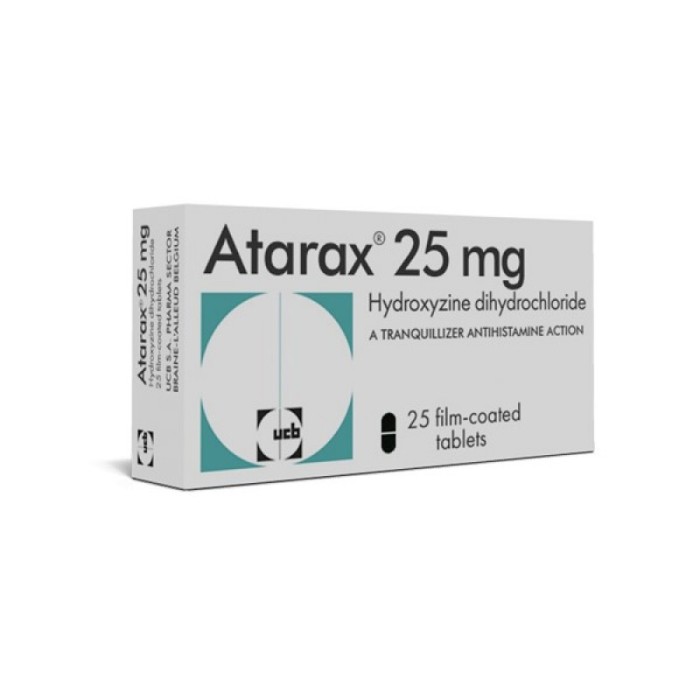
Present Atarax UCB and Explain Its Main Purpose
Atarax UCB is a prescription medication primarily used for the treatment of anxiety and associated conditions. Its active ingredient, hydroxyzine, belongs to a class of drugs known as antihistamines. Atarax UCB plays a critical role in the management of anxiety disorders by potentially reducing the intensity of emotional responses and providing a calming effect on patients who experience excessive worry or agitation. Additionally, Atarax UCB serves several other purposes; it may be prescribed for the treatment of allergic reactions, nausea, and as a sedative before surgical procedures. The versatility of this medication makes it an essential option in both mental health and general medical settings.
Typical Users and Contexts Where This Drug Is Applied
Atarax UCB is commonly prescribed to adults and children who experience anxiety-related conditions or certain allergic reactions. Typical users include individuals who face daily stressors, panic attacks, or generalized anxiety disorder. Healthcare providers often choose Atarax UCB for patients who may not respond well to traditional anxiolytics or who are seeking a non-narcotic alternative to manage their symptoms. In addition to anxiety management, Atarax UCB is beneficial for patients undergoing surgical procedures as a preoperative sedative, providing an added layer of comfort and calmness before medical interventions. Furthermore, it is also suitable for individuals suffering from hives or itching due to allergic conditions, making it a valuable drug across various contexts.
Explain the Strengths and Distinguishing Characteristics of Atarax UCB Compared to Related Options
Atarax UCB sets itself apart from other anxiety medications and antihistamines in several significant ways. One of its core strengths lies in its anxiolytic properties, which are particularly effective in providing relief without the risk of addiction commonly associated with other sedative medications. While benzodiazepines may be effective for some patients, they often come with dependency risks and withdrawal symptoms. In contrast, Atarax UCB offers a non-habit-forming alternative, making it a safer choice for long-term management of anxiety symptoms.
Another distinguishing characteristic is Atarax UCB’s rapid onset of action. Patients often begin to feel relief within 30 minutes to an hour of administration, allowing for quick intervention in acute situations. Additionally, Atarax UCB is known for its multifaceted properties, as it can also assist in treating allergic reactions and function as a sedative, unlike many of its competitors that are dedicated solely to one source of relief. As a result, healthcare providers can prescribe Atarax UCB for a wider range of conditions, providing enhanced patient-centric care.
Provide a Balanced Overview of Atarax UCB Benefits, Including a Numbered List of Key Advantages
Atarax UCB offers a range of benefits for individuals seeking relief from anxiety and other related conditions. Here are some of the key advantages of this medication:
- Effective Anxiety Relief: Atarax UCB effectively reduces feelings of anxiety and nervousness, improving overall mood and productivity.
- Non-Habit-Forming: Unlike many anxiety medications, Atarax UCB does not lead to addiction, allowing for safer long-term use.
- Multi-Use Capability: Beyond treating anxiety, Atarax UCB is effective for allergies and as a sedative, making it versatile for different health issues.
- Quick Action: Patients typically experience relief within 30 minutes to an hour, making it suitable for acute anxiety episodes.
- Minimal Side Effects: Many users report fewer side effects compared to traditional benzodiazepines, thereby enhancing patient tolerance.
Summarize Important Considerations Before Use, Including Contraindications for This Drug
Before starting treatment with Atarax UCB, several important considerations must be addressed to ensure safe and effective use. Patients should disclose their complete medical history to their healthcare provider, particularly any existing conditions such as kidney disease, liver disease, or respiratory issues, as these can affect how the body processes the medication. Individuals with a known hypersensitivity to hydroxyzine or any components of Atarax UCB should avoid its use to prevent adverse reactions.
Additionally, pregnant or breastfeeding women must consult their healthcare providers, as the effects of Atarax UCB during these periods are not fully understood, and caution is warranted. It is also important to note that combining Atarax UCB with alcohol or other central nervous system depressants may exacerbate sedation and should be avoided. Patients are encouraged to follow their healthcare provider's instructions carefully and to communicate any unusual side effects or concerns during their treatment.
No questions about this product, be the first and ask your question.