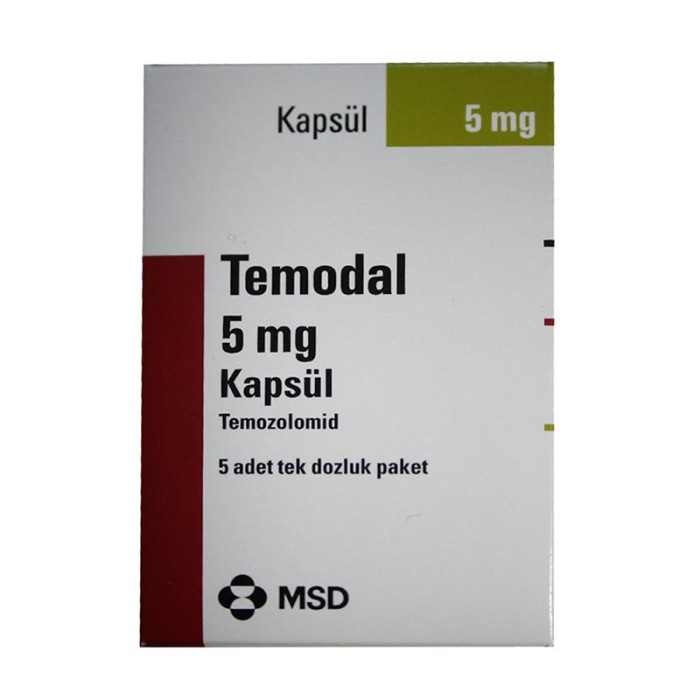
What Defines Temodal 5 MSD
Temodal 5 MSD, generically known as temozolomide, is an oral chemotherapy medication utilized primarily in the treatment of certain types of brain tumors, specifically glioblastoma multiforme and anaplastic astrocytoma. This medication operates on the principle of cytotoxicity, where it damages the DNA of cancer cells, inhibiting their ability to reproduce and ultimately leading to their death. The key features of Temodal 5 MSD include its ability to penetrate the blood-brain barrier, which is a significant challenge in treating brain tumors. This characteristic ensures that the drug effectively reaches the tumor sites within the brain.
Temodal 5 MSD is usually administered in cycles, allowing a recovery period for healthy cells while targeting malignant cells. The medication primarily disrupts the cell cycle during the S-phase, thereby halting cell division. This strategic action manifests a host of benefits, including improved patient survival rates when combined with radiation therapy post-surgery.
Forms of Release for Temodal 5 MSD
Temodal 5 MSD is available primarily in capsule form. It is provided in several strengths to accommodate individualized treatment regimens. The capsules are typically taken orally and are best absorbed when taken on an empty stomach. This form of release allows for convenient and flexible administration, helping patients manage their treatment schedules more effectively.
Beyond the capsules, there are no notable alternative forms of release for Temodal 5 MSD at present. The oral capsule formulation has proven to be effective and practical for patients, ensuring adherence to treatment by minimizing the inconvenience often associated with intravenous chemotherapy. This oral route is particularly beneficial for patients requiring longer-term therapy.
Why Choose Temodal 5 MSD Over Other Treatments
One of the standout differences of Temodal 5 MSD compared to other chemotherapy agents is its unique mechanism of action targeting the alkylation of DNA. While traditional chemotherapeutic agents often have a broader mechanism of effect, Temodal focuses on specific types of cancer cells, which can lead to fewer side effects and a more tolerable treatment experience for patients. Moreover, Temodal 5 MSD's ability to penetrate the blood-brain barrier sets it apart from many alternatives that may not effectively reach brain tumors.
This targeted action is crucial for improving the quality of outcomes in patients with aggressive brain tumors that are notoriously difficult to treat. Patients and healthcare providers alike may favor Temodal 5 MSD for its proven efficacy and tolerability, potentially leading to longer survival rates and improved quality of life for individuals facing difficult diagnoses.
Long-Term Use and Contraindications for Temodal 5 MSD
Long-term use of Temodal 5 MSD has shown promising results in prolonging survival in patients with high-grade gliomas. The medication is often part of a multi-modal treatment approach that combines surgery, radiotherapy, and chemotherapy, providing a comprehensive strategy against aggressive tumors. However, it is essential to consider that Temodal 5 MSD may not be suitable for everyone. Contraindications include pregnant or breastfeeding women, as well as patients with a history of hypersensitivity to temozolomide or any of its components.
Furthermore, individuals with bone marrow suppression, those suffering from severe infections, and patients with certain genetic disorders such as myelodysplastic syndrome should avoid or exercise caution when using this medication. It's vital for patients to engage in thorough discussions with their healthcare providers to determine if Temodal 5 MSD is an appropriate choice within the context of their comprehensive health profile.
Practical Advice for Starting Temodal 5 MSD
When considering Temodal 5 MSD, it is crucial for patients to consult with their oncologist regarding the optimal dosage and treatment schedule. Starting treatment should always occur under close medical supervision, particularly because side effects can include nausea, vomiting, fatigue, and potential impacts on blood counts. In managing these side effects, providers may recommend anti-nausea medications and regular blood tests to monitor health during treatment.
Additionally, maintaining a journal to track side effects and symptoms can help patients provide valuable feedback to their healthcare team, ensuring that any necessary adjustments are made promptly. Adequate hydration and adhering to a balanced diet can also support overall health during treatment. Patients should remain informed about their treatment path and actively participate in discussions about their care strategy.
No questions about this product, be the first and ask your question.